

Why Cement Plant Mechanical Jobs Are Worth Your Attention Right Now
Cement plant mechanical jobs are among the most in-demand roles in heavy industry today — and the numbers back that up.
Here’s a quick snapshot of what’s available and what these roles involve:
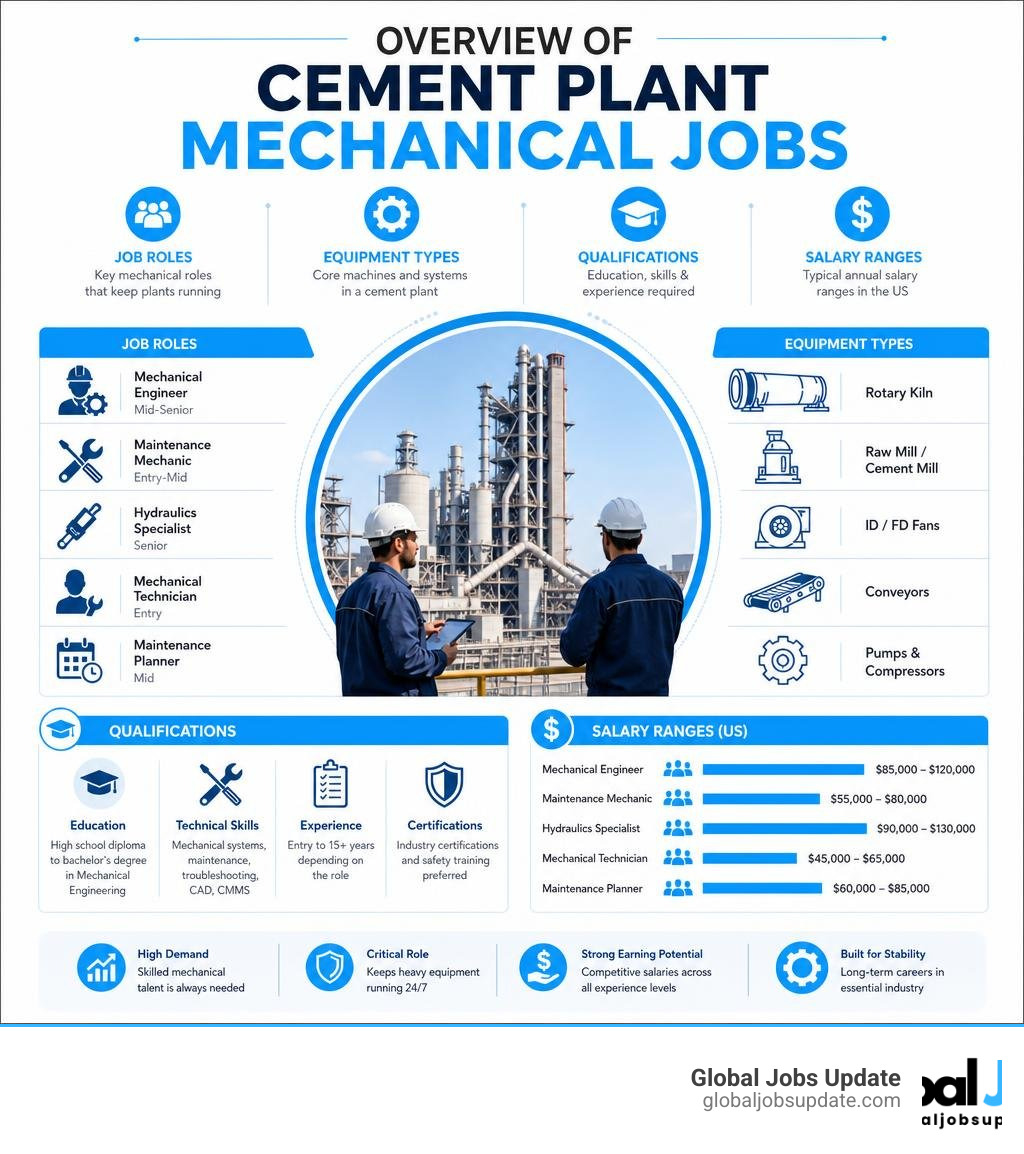
| Role | Level | Key Requirement |
|---|---|---|
| Mechanical Engineer | Mid-Senior | BS Mechanical Engineering + CAD skills |
| Maintenance Mechanic | Entry-Mid | Journeyman millwright skills + MSHA knowledge |
| Hydraulics Specialist | Senior | 15+ years hydraulic systems experience |
| Mechanical Technician | Entry | Trade certificate + industrial experience |
| Maintenance Planner | Mid | CMMS software + scheduling experience |
Right now in the US:
- 108 cement plant jobs are actively listed
- 85 were posted in the last month alone
- Major employers include Martin Marietta, HolcimUS, and UNACEM North America
- The vast majority (107 out of 108) are on-site roles
These are hands-on, stable, well-paying careers in a sector that runs 24/7. Cement plants need mechanical staff to keep massive, complex equipment running — and when something breaks, production stops. That makes skilled mechanical workers critical, not optional.
I’m Weldon Keni, a career content specialist who has spent 8+ years analyzing global labor markets and helping job seekers land roles in industries like heavy manufacturing — including cement plant mechanical jobs. In this guide, I’ll walk you through exactly which roles are hiring, what qualifications you need, and how to position yourself to land the best offers.
Top Roles in Cement Plant Mechanical Jobs
In a modern cement manufacturing facility, mechanical maintenance is the backbone of plant reliability. Because cement production operates as a continuous, high-wear process, mechanical staff must keep heavy machinery running at peak efficiency.
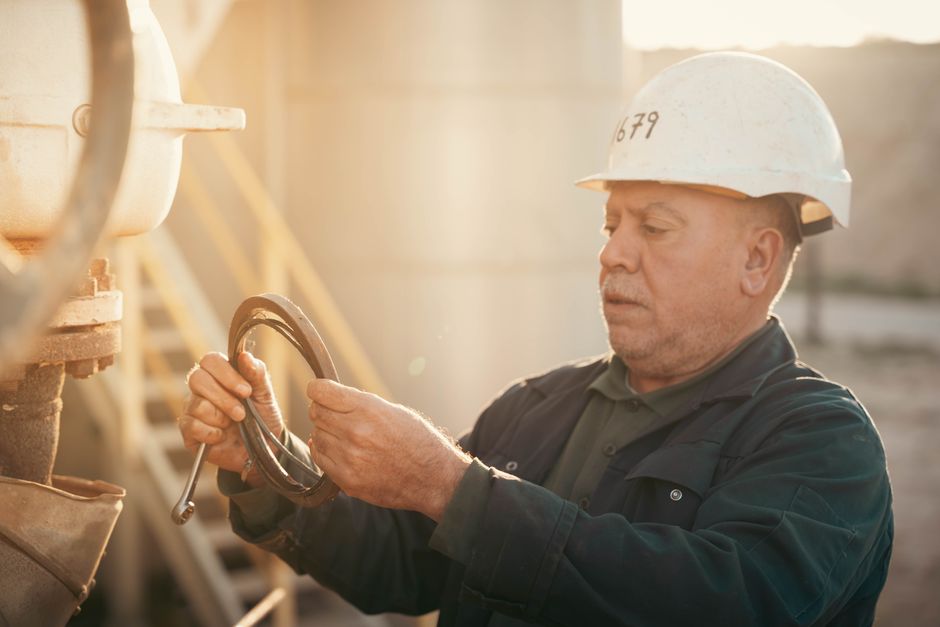
Whether you are looking to design new systems or get your hands dirty on the plant floor, there is a wide range of opportunities available. If you are interested in exploring these career paths, you can check out our dedicated listings under Category/Mechanical Engineering to see what fits your skills.
Mechanical Engineer
A cement plant mechanical engineer balances office-based project execution with hands-on troubleshooting on the plant floor. These professionals design, install, and optimize the mechanical systems that keep production moving.
On any given day, a mechanical engineer might develop preventive maintenance strategies, plan major plant shutdowns, or perform critical calculations for new equipment installations. According to the ENGINEER MECHANICAL PROJECT Job Details | Cemex , these engineers are also responsible for managing investment budgets, drafting technical specifications, and coordinating Work Breakdown Structure (WBS) numbering for capital projects.
If this combination of design, project management, and machinery optimization sounds like the right fit for you, explore our current Tag/Mechanical Engineer Job listings.
Maintenance Mechanic and Fitter
If you prefer direct, hands-on mechanical work, the role of a maintenance mechanic or fitter is highly rewarding. These professionals are responsible for the daily physical upkeep, troubleshooting, and fabrication work required to keep the plant online.
A qualified maintenance mechanic must possess strong journeyman-level millwright skills. In a typical maintenance role, daily tasks include:
- Performing routine inspections and identifying potential equipment failures.
- Executing precision alignment, machine overhauling, and component replacement.
- Welding, fabricating structural parts, and laying industrial pipelines.
- Repairing and maintaining heavy conveyor systems, process fans, and dust collection systems.
For freshers or those entering the field, roles like the “PF-Mechanical” positions at major manufacturers focus on basic maintenance, daily toolbox talks, and housekeeping. To browse open positions for technicians and mechanics, take a look at our Tag/Mechanical Technician Job page.
Hydraulics Specialist
As cement plants adopt more advanced, automated machinery, specialized roles have become increasingly critical. A hydraulics specialist focuses entirely on the fluid power systems that drive heavy equipment like clinker coolers, vertical roller mills, and massive stacker-reclaimers.
According to the Assistant General Manager, Mechanical (Hydraulics Specialist) Job Details | Dangote Industries Limited , this senior-level role requires deep expertise in fluid mechanics, hydraulic circuit design, and troubleshooting complex proportional valves. These specialists perform simulations, oversee the installation of high-pressure hydraulic systems, and ensure that critical machinery does not suffer from fluid-related failures.
Key Equipment Maintained by Mechanical Teams
The machinery in a cement plant is massive, abrasive, and subjected to extreme heat. Mechanical teams are responsible for keeping these giant systems running smoothly.
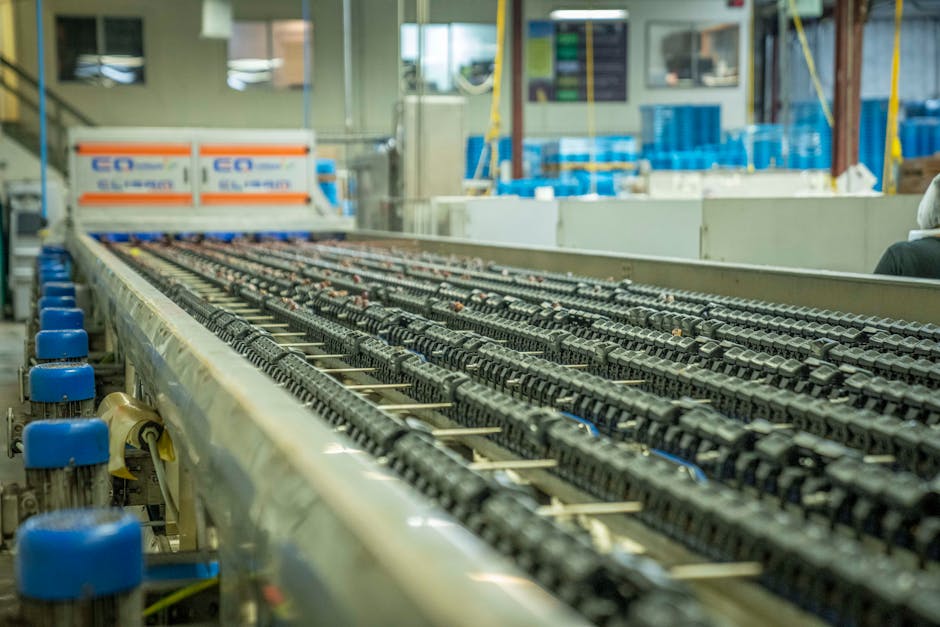
To get a better idea of the hands-on work involved with these machine types, check out the latest listings on our Tag/Mechanical Job page.
Bulk Material Handling Systems
Before cement can be made, raw materials like limestone, clay, and gypsum must be transported across the facility. Mechanical teams spend a significant amount of time maintaining bulk material handling systems, which include:
- Belt Conveyors: Carrying tons of rock daily, these require constant vulcanizing, roller replacement, and belt tracking.
- Bucket Elevators: Moving materials vertically to feed silos and preheater towers.
- Screw Conveyors: Transporting fine powders while preventing dust leaks.
- Stacker Reclaimers: Massive automated machines that stack raw materials into blending beds and reclaim them for processing.
Crushing and Grinding Machinery
Reducing raw stone to a fine powder requires incredible force. Mechanical staff are tasked with maintaining:
- Jaw and Cone Crushers: Heavy equipment that breaks down run-of-mine quarry rock.
- Vertical Roller Mills (VRM) and Ball Mills: Massive grinding systems that pulverize materials using heavy rollers or steel balls.
- High-Efficiency Separators: Sorting fine product from coarse material to ensure consistent quality.
Because these machines handle highly abrasive materials, parts wear out quickly. If you have experience maintaining heavy grinding systems, you can find relevant roles through our Tag/Service Technician Mechanical Job page.
Required Qualifications and Skills
Landing a high-paying role in this field requires a solid mix of formal education, practical skills, and safety certifications. Because of the complex nature of chemical processing in cement production, having a background in related sectors can be highly beneficial. You can learn more about how industrial plant skills transfer by visiting Category/Chemical Plant Jobs.
Essential Skills for Cement Plant Mechanical Jobs
To stand out to employers in July 2026, you should focus on developing the following technical competencies:
- Vibration Analysis: Using specialized sensors to detect imbalances or bearing wear before a machine fails.
- Precision Alignment: Utilizing laser alignment tools to ensure shafts and couplings are perfectly positioned, reducing energy waste and mechanical wear.
- Welding and Fabrication: Structural welding and pipefitting are daily requirements for maintenance mechanics.
- CAD Software: Essential for engineers to read blueprints, design replacement parts, and plan installations.
- CMMS Systems: Utilizing Computerized Maintenance Management Systems to track work orders, schedule preventive maintenance, and manage spare parts inventory.
Safety and Regulatory Compliance
Safety is the absolute highest priority in a cement plant. Because these facilities often operate in tandem with mining quarries, workers must comply with strict safety standards.
In the United States, mechanical workers must adhere to MSHA (Mine Safety and Health Administration) regulations, while European operations follow local health and safety directives. Key safety practices include:
- Lock-Out Tag-Out (LOTO): Ensuring all electrical and mechanical energy sources are isolated and locked before work begins on a machine.
- Hazard Identification: Actively reporting near-misses and conducting daily safety audits.
- Personal Protective Equipment (PPE): Consistently wearing high-grade respiratory protection, steel-toed boots, safety glasses, and hearing protection to guard against extreme noise and abrasive dust.
Salary Expectations and Industry Outlook in 2026
The market for mechanical talent in the cement industry remains highly competitive in July 2026. Because these roles require specialized knowledge of heavy, high-wear machinery, employers are willing to offer attractive compensation packages to secure skilled workers.
If you are open to exploring related heavy industries with similar compensation structures, you can also view opportunities under Category/Oil And Gas Mechanical Jobs.
Global Salary Comparison
Salaries vary based on your experience, location, and specific role. In high-demand regions like California and Northern Europe, pay rates reflect the local cost of living and the high demand for technical talent.
The table below outlines typical annual salary ranges for key mechanical roles in the US and Europe:
| Position | Typical US Salary Range (USD) | Typical European Salary Range (EUR) |
|---|---|---|
| Mechanical Engineer | $85,000 – $125,000 | €65,000 – €95,000 |
| Maintenance Mechanic / Fitter | $55,000 – $85,000 | €40,000 – €65,000 |
| Hydraulics Specialist | $90,000 – $135,000 | €70,000 – €105,000 |
| Maintenance Supervisor | $80,000 – $110,000 | €60,000 – €85,000 |
For regional job listings and localized salary insights, you can explore industry-specific salary surveys and local employment reports. If you are specifically interested in the European market, you can check out corporate career paths directly via Careers at Heidelberg Materials .
How to Find the Best Cement Plant Mechanical Jobs Online
To land a top-paying role, your job search strategy needs to be proactive:
- Optimize Your Resume: Highlight hands-on experience with specific equipment like rotary kilns, vertical roller mills, and conveyor systems. Be sure to list your safety certifications (such as MSHA or local equivalents) clearly.
- Track Live Postings: Heavy industry employers list new roles daily. Instead of waiting for weekly roundups, check real-time job portals to apply early.
- Connect with Major Producers: Keep an eye on global building materials leaders who regularly recruit mechanical talent for their production facilities.
Frequently Asked Questions
What qualifications do I need for a cement plant mechanical role?
For engineering positions, you typically need a bachelor’s degree in mechanical engineering or a closely related field, along with proficiency in CAD software. For hands-on maintenance mechanic or fitter roles, employers generally look for a high school diploma combined with a millwright apprenticeship, trade certification, or several years of experience in a heavy industrial environment.
How do cement plant jobs differ from other heavy industries?
Cement plants present a uniquely challenging environment characterized by highly abrasive limestone dust, extreme process heat (especially around the rotary kiln, which operates at temperatures exceeding 1400°C), and massive, continuous-operation machinery. This combination of heat and dust causes equipment to wear out much faster than in lighter manufacturing sectors, making predictive maintenance a constant focus.
What is the career progression for mechanical staff in cement plants?
A typical career path for hands-on workers starts at the entry level as a maintenance helper or mechanical fitter. With experience, you can progress to maintenance mechanic, mechanical supervisor, and maintenance planner. For engineers, the path often leads from project engineer to maintenance manager, and eventually to plant manager or corporate operations director.
Conclusion
Landing a high-paying cement plant mechanical job requires a combination of specialized technical skills, a strong commitment to safety, and a proactive job search. As heavy manufacturing continues to modernize and focus on sustainability, the demand for skilled engineers, mechanics, and technicians who can keep these massive facilities running efficiently is higher than ever.
At Global Jobs Update, we provide a real-time job portal that updates every second, connecting you with the latest industrial maintenance and engineering opportunities as soon as they go live. If you are ready to take the next step in your career, explore our platform to find current openings, or expand your search by checking out our listings to Explore Oil and Gas Jobs.
